

Powering Europe's future: The dawn of solar energy in Europe


The energy sector is undergoing an urgent and rapid transformation, driven by the critical need for security, sustainability, and independence. At the centre of this shift, European solar energy has emerged as a powerhouse, offering a reliable and rapidly scalable solution to Europe's energy challenges.
This post breaks down the latest trends, strategies, and technologies that are shaping the solar landscape for high-end energy professionals. We’ll be looking at key data from recent studies, the European Union’s ambitious plan, and the innovations at the forefront of this clean energy revolution.
The study on European solar energy

A landmark report from Solar Power Europe, the "European Market Outlook for Solar Power 2022-2026," reveals the unprecedented speed at which solar power is being adopted across the continent. The study found that in 2022 alone, the European Union installed a record-breaking 41.4 GW of new solar capacity. That’s a staggering 47 per cent leap from the 28.1 GW installed in 2021.
This isn't just a number; it’s a tangible step towards energy independence, with this new capacity able to power the equivalent of 12.4 million homes and offset the energy output of 102 LNG tankers. The total installed capacity of the EU’s solar fleet grew by a remarkable 25 per cent in a single year.
As SolarPower Europe's CEO, Walburga Hemetsberger, put it, solar is offering a "lifeline amid energy and climate crises," proving to be the fastest-growing and most reliable energy source available today.
Which countries are mainly focused on solar energy?
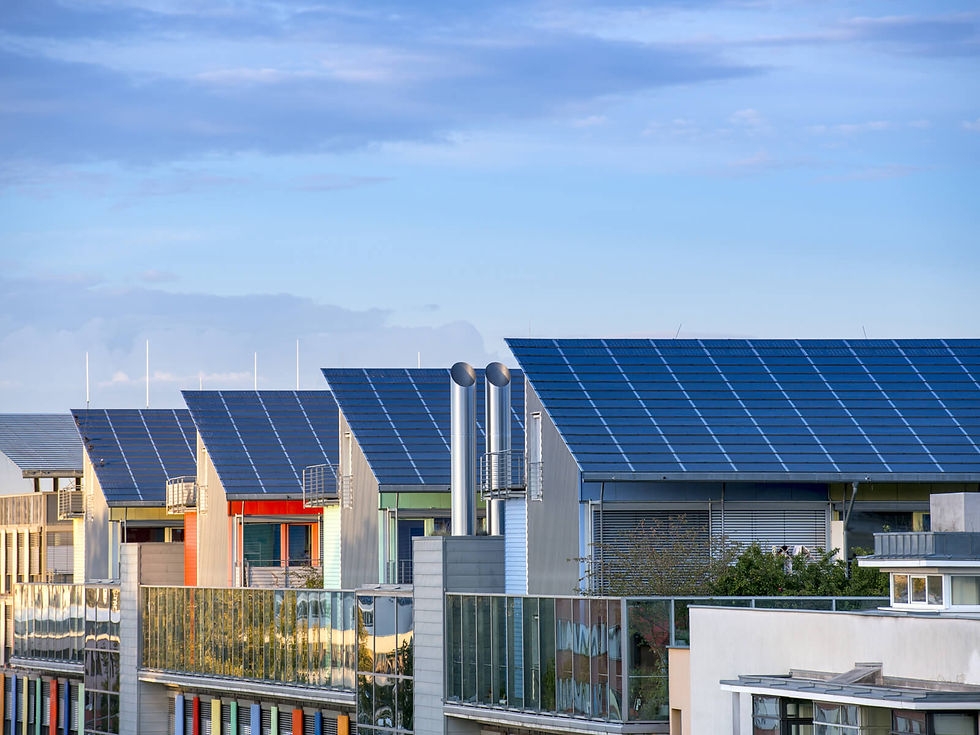
The surge in Europe solar power is not a uniform wave but is being led by a handful of dynamic nations. Germany took the top spot in 2022, installing the most new solar capacity at 7.9 GW. Not far behind, Spain demonstrated its commitment to harnessing its abundant sunlight, adding 7.5 GW.
They are joined by Poland (4.9 GW), the Netherlands (4.0 GW), and France (2.7 GW), all making significant strides in their solar deployment. The success of these countries serves as a powerful testament to how effective policy and strategic investment can accelerate solar adoption.
However, to sustain this pace, there are still persistent challenges that must be addressed, including administrative delays, grid connection limitations, and the shortage of skilled electricians. The ability to overcome these hurdles will be crucial for Europe to maintain its leadership in the global solar market.
The EU solar energy strategy

Building on this momentum, the European Union has rolled out a comprehensive strategy as part of its REPowerEU plan. Adopted in May 2022, the EU Solar Energy Strategy is designed to clear remaining obstacles and fast-track the widespread deployment of solar technologies. Its goals are ambitious: over 380 GW of solar photovoltaic (PV) capacity by 2025 and at least 700 GW by 2030.
At the heart of this strategy are three key initiatives.
In 2023, the European Solar Rooftops Initiative was launched, aiming to unlock the vast potential of rooftops for clean energy generation across the continent.
To close the critical skills gap, the EU has launched a large-scale skills partnership, ensuring a qualified workforce is ready to meet the soaring demand for solar installation and maintenance.
The EU Solar PV Industry Alliance was created to foster industry collaboration and innovation, supporting the strategy’s bold objectives.
The challenge of a centralised grid

Europe's existing electricity grid was designed for a one-way flow of power, moving from large, centralised power plants, such as nuclear or coal facilities, directly to consumers. However, the rise of solar energy introduces a significant challenge to this traditional infrastructure. Solar power is inherently decentralised and intermittent, creating a "two-way street" of electricity generation and consumption that the older grid struggles to manage effectively.
This mismatch often leads to "curtailment," a scenario where excess solar power generation must be shut down because the grid lacks the capacity or flexibility to integrate it. This not only represents a significant inefficiency but also hinders the full potential of renewable energy adoption, underscoring the urgent need for smart grid modernisation to accommodate the evolving energy landscape.
The need for a smarter grid
The integration of a "smart grid" is essential for managing the two-way flow of energy inherent in a solar-powered future. This digital network uses advanced technology to monitor and control energy distribution, ensuring efficient and reliable power delivery.
New digital infrastructure, including sensors and monitoring systems, is crucial for real-time balancing of supply and demand. This is where durable labels, resistant to environmental factors, play a vital role in identifying and tracking critical components within this complex and interconnected energy system.
The role of labelling in grid upgrades
A smart grid, essential if the dawn of solar energy in Europe is to come to full capacity, relies on countless new connections, switches, and sensors. Each of these demands durable, long-lasting, and clear labelling for proper installation, maintenance, and repair. In such a complex, multi-directional grid, mislabelled cables can lead to costly errors, safety risks, and critical grid instability.
High-resistance labels, like those provided by Kuanttum, are therefore non-negotiable for new and upgraded grid infrastructure. They are specifically designed to withstand the demanding outdoor conditions, heat, and other challenging environments, ensuring reliability and longevity for the entire system.
Other solutions for grid flexibility
A smarter grid is not a stand-alone solution. It works in tandem with crucial technologies like energy storage, primarily large-scale batteries, which store surplus renewable energy for later use. Furthermore, demand-side management can play a vital role by incentivising consumers to shift their energy consumption to off-peak hours, balancing the grid and optimising energy distribution.
Photovoltaics and CSP
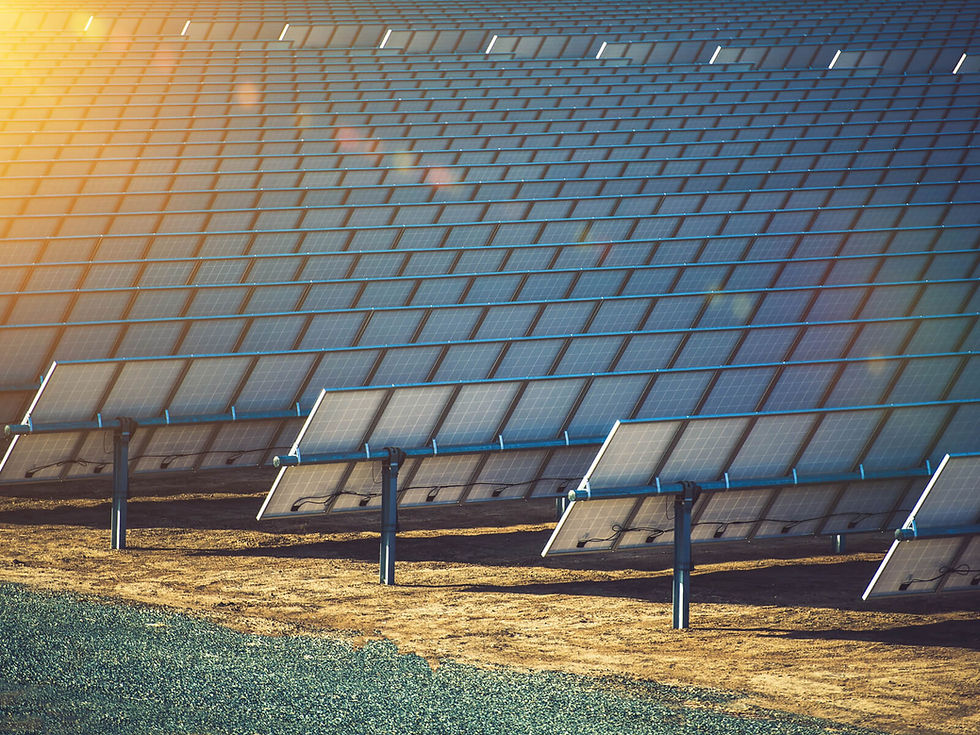
For professionals in the energy sector, understanding the core solar technologies is vital for making informed strategic decisions. While both photovoltaics (PV) and concentrated solar power (CSP) harness the sun’s energy, they do so in fundamentally different ways, offering distinct advantages for building a resilient smart grid.
PV is the most common and rapidly expanding technology in Europe, converting sunlight directly into electricity via solar panels. Its falling cost and scalability have made it central to the EU's clean energy transition and key initiatives like the European Solar Rooftops Initiative. In fact, PV now contributes 11 per cent of the EU's gross electricity output.
In contrast, CSP plants use mirrors to generate intense heat, which produces steam to power a turbine for electricity. The key differentiator for CSP is its ability to be paired with thermal storage, allowing for power generation on demand, even after the sun sets. This dispatchability is crucial for grid stability and helps overcome the intermittency challenges of renewables.
A forward-looking energy strategy recognises that a robust and smartly designed grid will likely rely on a mix of both PV for high-volume, low-cost generation and CSP for reliable, continuous power.
The future of solar

The future of European solar energy is bright and accelerating. The latest forecasts from SolarPower Europe predict the EU will add 53.6 GW in 2023, with annual installations potentially reaching at least 85 GW by 2026. If this trend holds, the EU's total solar market will more than double to 484 GW by 2026, cementing its role as a cornerstone of Europe's energy future.
However, this growth depends on our ability to innovate and overcome key challenges, from grid congestion to a shortage of skilled labour. The long-term success of solar infrastructure hinges on meticulous attention to detail and professional maintenance. As systems become more complex, the need for precision-engineered infrastructure that ensures safety, efficiency, and longevity is paramount. High-quality cable labelling and identification solutions are not just accessories; they are a critical part of this professional toolkit, providing the clarity needed for streamlined installation, reliable maintenance, and swift troubleshooting.
As solar continues its rapid expansion, it won’t just provide clean, sustainable power—it will also drive significant economic growth and job creation across the continent. For energy professionals, a deep understanding of this evolving landscape is no longer optional; it’s essential.
Looking to ensure your solar installations are built to last? Explore Kuanttum’s professional-grade cable labelling solutions, designed to meet the rigorous demands of the modern energy sector.
